Zendesk vs. Decagon
Agentic AI is great, but a CX solution with built-in AI, even better. Try Zendesk free and see how its native AI compares to Decagon’s bolt-on approach.
Dernière mise à jour September 5, 2025
Zendesk vs. Decagon: Which is better?
AI has become a core part of how modern customer service teams work. But not all AI agents are created equal, and neither are the companies behind them. Some—like Zendesk—are mature solutions with built-in AI and a proven record of scale and stability.
If you’re trying to choose Zendesk or Decagon, here are four ways Zendesk leads.
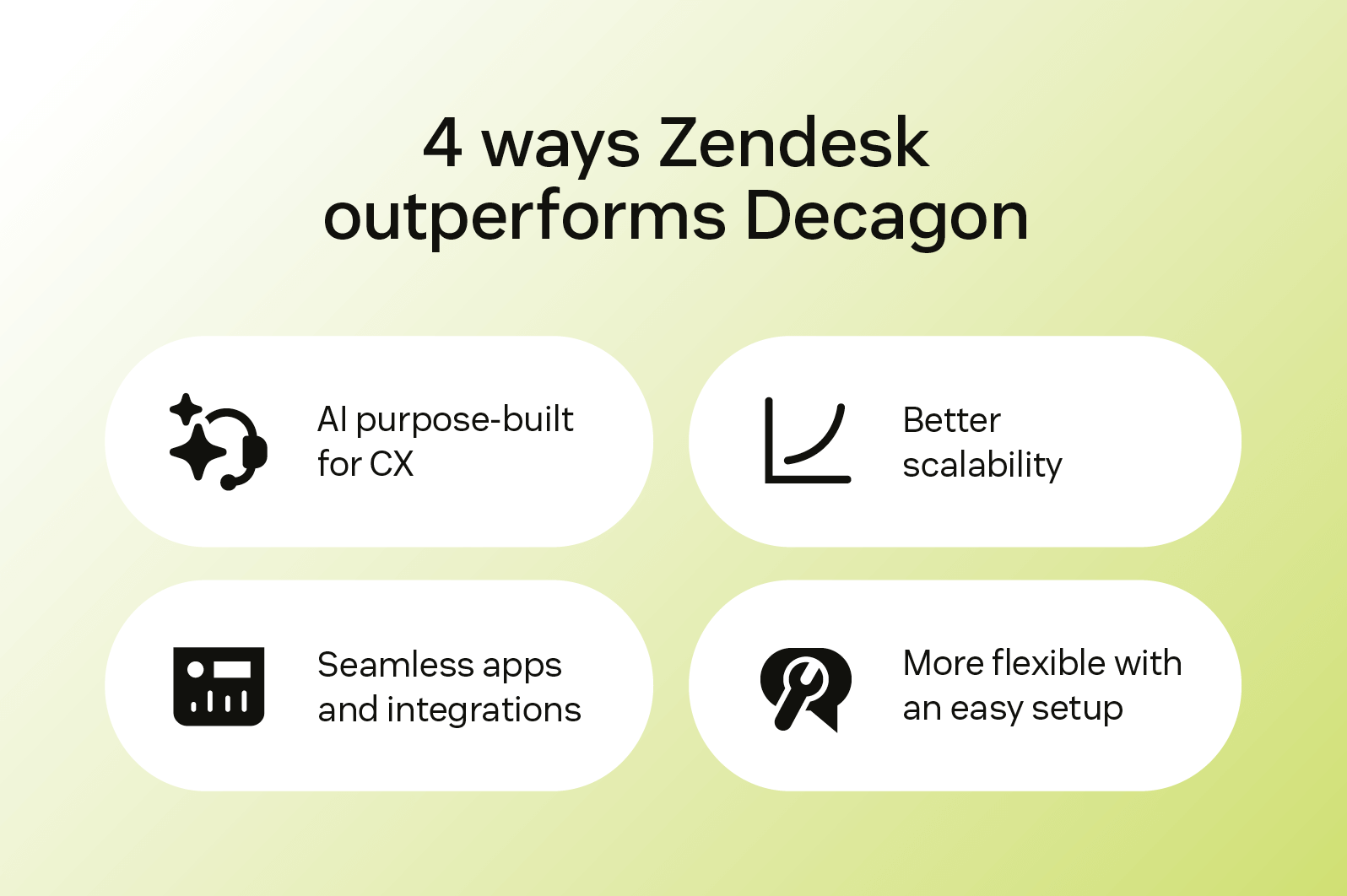
AI agents purpose-built for CX
Zendesk has focused on customer experience since 2007. So when we launched our AI agent, it was trained on 18 billion real support interactions and built to integrate across every part of our customer service software—from ticketing and workflows to the knowledge base. It can also help you achieve up to 80 percent automation across your service operation. Meanwhile, Decagon, launched in 2023, is built on LLMs like OpenAI’s GPT and doesn’t use proprietary CX data to train its models.
Hybrid orchestration
Zendesk offers robust hybrid orchestration through a highly configurable dialogue builder that blends the flexibility of generative AI with the control of structured logic. You can define conditional flows, set fallback paths, and enforce business policies—ensuring reliable automation without sacrificing brand or compliance standards. This level of orchestration was a key decision factor for companies like DeepL. In contrast, Decagon’s orchestration capabilities are more limited, making it harder to build nuanced experiences that adapt to real-world complexity.
Scalability
Zendesk can support high-volume, global operations, especially for businesses in regulated industries like healthcare. You can start with lightweight automations like triage and move to more complex workflows as you scale your support ops. While Decagon emphasizes speed, it lacks some basic features (like routing) that make scaling tricky. It also lags in enterprise-grade data security and compliance.
Flexibility and easy setup
Zendesk gives you AI agents that work out of the box so that you can get started immediately. At the same time, it balances flexibility with control, allowing you to blend generative AI’s flexibility with structured logic. These AI agents are configurable from day one using no-code tools designed for CX teams—not developers—so you can adapt quickly, iterate fast, and stay in control without relying on engineering resources. With Decagon, you’ll need to manually define business logic and take help from your technical team to enforce guardrails or fine-tune behavior.
More in this guide:
- At-a-glance comparison: Zendesk vs. Decagon
- Zendesk vs. Decagon: Features comparison
- Pricing plans: Decagon vs. Zendesk
- Why customers love Zendesk
- Frequently asked questions
- Get started with Zendesk
At-a-glance comparison: Zendesk vs. Decagon
Here’s a quick side-by-side look at Decagon vs. Zendesk to give you an idea of how each solution stacks up across both AI and customer service capabilities.
|
Critical capabilities |
Zendesk |
Decagon |
|
AI copilot |
|
|
|
AI agents |
|
|
|
Trusted and proven CX track record |
|
|
|
Omnichannel agent workspace |
|
|
|
Voice |
|
|
|
Data security & compliance |
|
|
Zendesk vs. Decagon: Features comparison
Let’s examine the Zendesk or Decagon comparisons in more detail and see how their approaches to AI-driven customer experience influence core product capabilities.
AI copilot
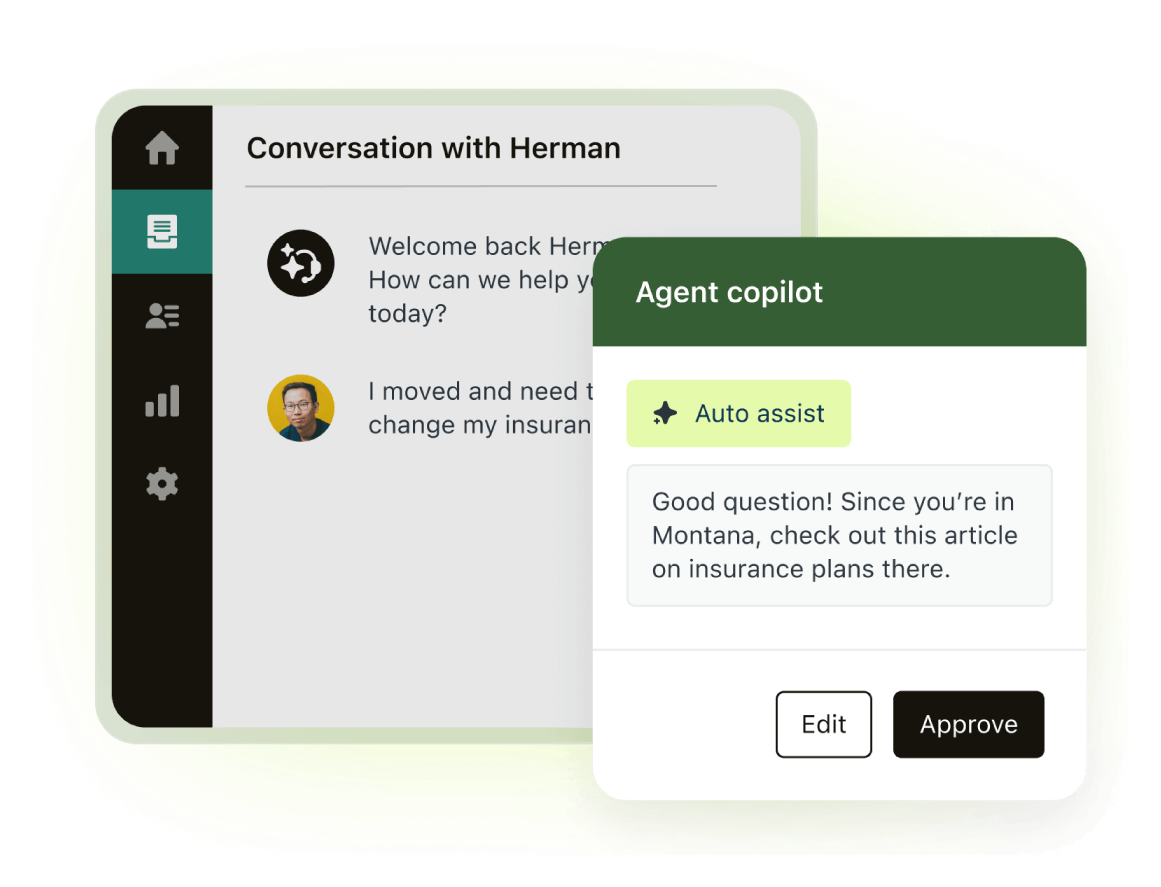
Increase team productivity and close tickets faster with Zendesk Copilot. |
Zendesk Copilot gives agents an AI assistant to help with everyday tasks that can autonomously take action on their behalf. This starts with basic features like reply suggestions and ticket summarization and extends to live translations, intelligent triage, and advanced automations. As Copilot is built into Zendesk, agents can type questions directly in the knowledge base and get quick answers. The Copilot also suggests new macros to admins based on previous interactions. Decagon Agent Assistis quite basic and is trained solely on your knowledge base. It can help with writing and next steps, but can’t triage tickets, run automations, or translate tickets in real time. |
AI agents
|
Zendesk offers pre-trained AI agents that integrate natively with its knowledge base software and ticketing system. This means advanced automations and context across channels. They are available in 80+ languages and can be further customized to reflect different personas. Moreover, the AI agents respect article permissions, showing restricted content only to authenticated users and limiting unauthenticated users to public articles. Decagon, meanwhile, is a conversational intelligence platform focusing only on its AI agent’s interaction skills. It offers limited support for automated workflows. Setting up advanced knowledge base or help desk integrations often requires custom code. |
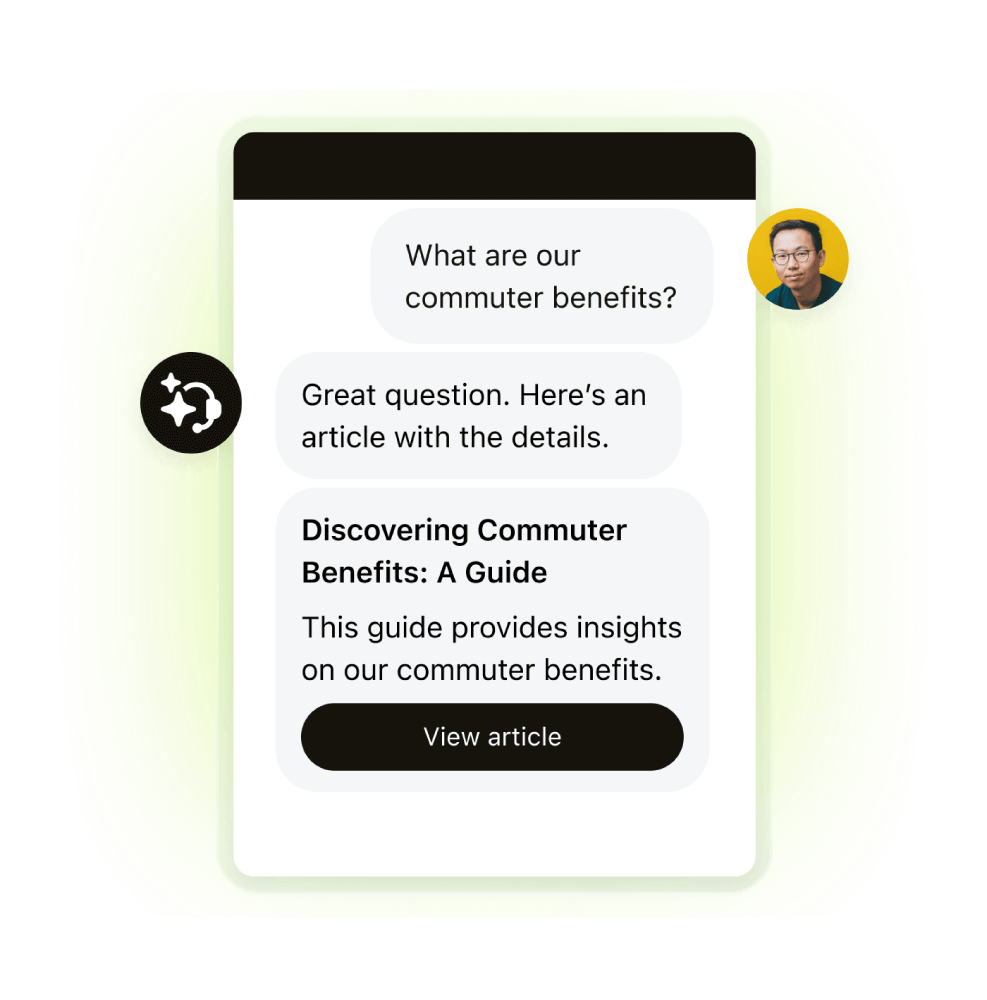
Automate customer support with Zendesk AI agents. |
Trusted and proven CX track record
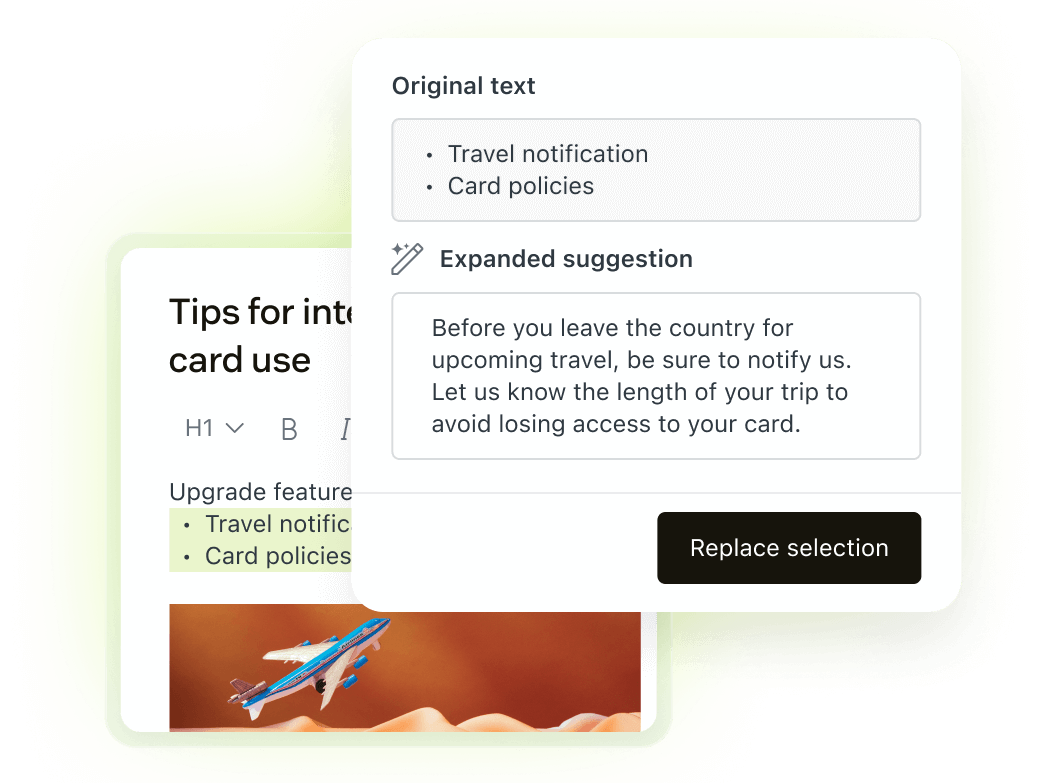
Deliver exceptional service with the complete Zendesk customer service solution. |
Zendesk is a proven, global leader in customer experience, trusted by over 200,000 businesses worldwide. With more than a decade of enterprise-grade innovation, Zendesk has delivered reliable, secure, and scalable solutions to customers across industries—including highly regulated sectors. Our AI capabilities are already driving results for over 10,000 customers, backed by a long-term vision, financial stability, and industry recognition from leading analysts. Decagon, meanwhile, is an early-stage vendor with a short operating history and limited market presence. Its long-term roadmap, support infrastructure, and financial backing remain unclear—raising concerns about reliability and continuity. For organizations seeking a stable, strategic partner, this level of uncertainty presents significant risk. |
Omnichannel agent workspace
|
Zendesk gives agents a single, unified workspace to manage conversations across email, chat, phone, social, and messaging channels. They can easily escalate conversations, reference past interactions, and maintain full context across channels. This unified setup also powers end-to-end reporting, giving managers a complete view of customer interactions and conversation trends. Decagon also provides cross-channel context but acts more like a central brain than a central workspace. Agents still have to switch between tools to manage conversations, and data will still be fragmented across different tools. You’ll have to create data syncs between multiple tools and build your own reports. |
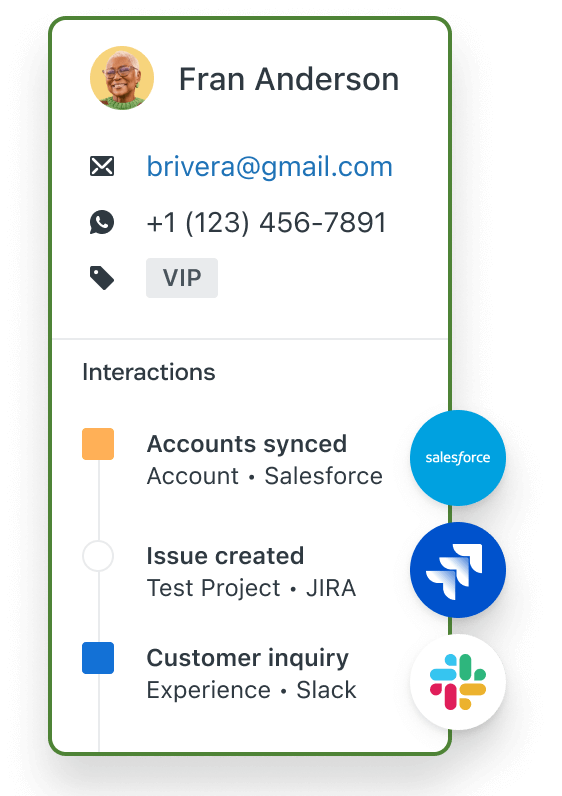
Give agents a unified view of conversations with the Zendesk ticketing system. |
Voice
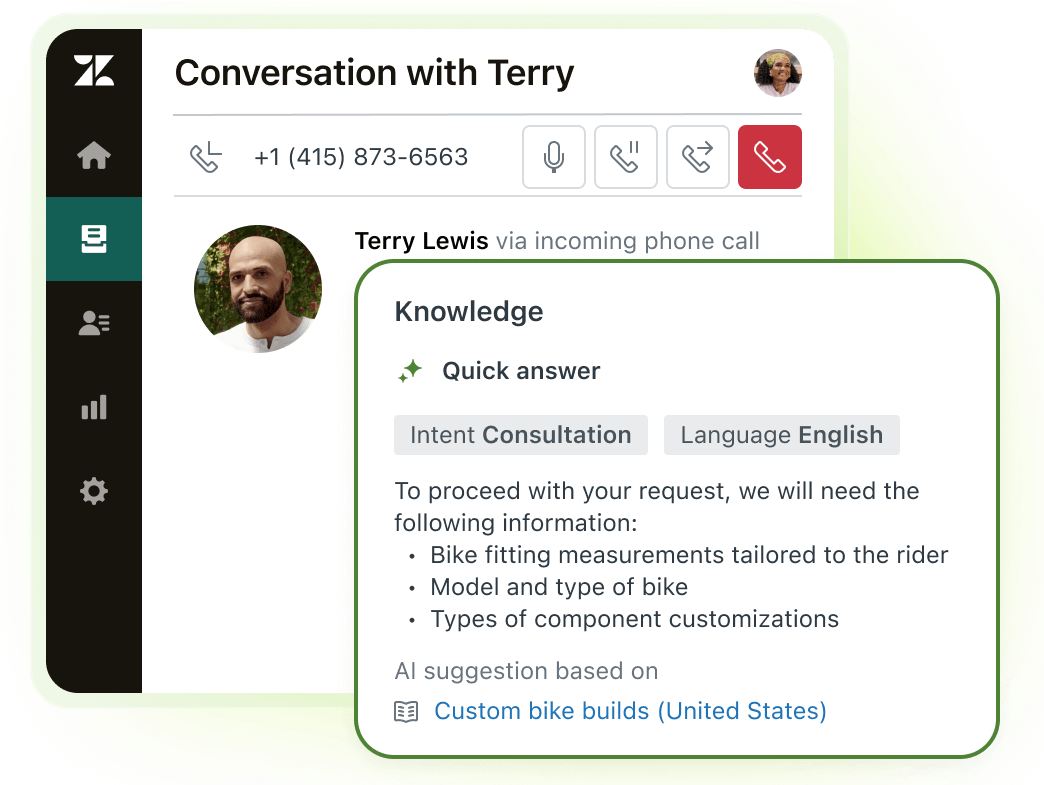
Keep your phones on 24/7 with Zendesk voice software. |
Zendesk offers a complete voice solution. This means traditional phone support, integrated voice tools, call routing, IVR, queue management, agent handoffs, reporting, and an embedded AI voice agent. You can assign an AI agent to answer calls, hand them off to human agents, create tickets for calls, and monitor call quality with AI-powered quality assurance. Decagon’s AI voice agent can answer calls and escalate to human agents. However, it lacks standard operational features—like callbacks, routing, and translations—all of which are essential to run customer-first phone support. |
Data security & compliance
|
Zendesk is built for businesses that operate at a global scale and in highly regulated industries. It meets strict compliance standards, including SOC 2, ISO 27001, GDPR, CCPA, and offers a HIPAA BAA for healthcare organizations. All AI data processing respects regional data locality, ensuring customer information stays where it needs to. These enterprise-grade protections help companies meet legal requirements and build long-term customer trust. Decagon, on the other hand, does not publicly confirm compliance with HIPAA, GDPR, or CCPA. Its data locality is limited to the U.S., which may not meet the needs of international or regulated businesses. For teams with complex privacy and security obligations, this lack of transparency and flexibility may pose a serious risk. |
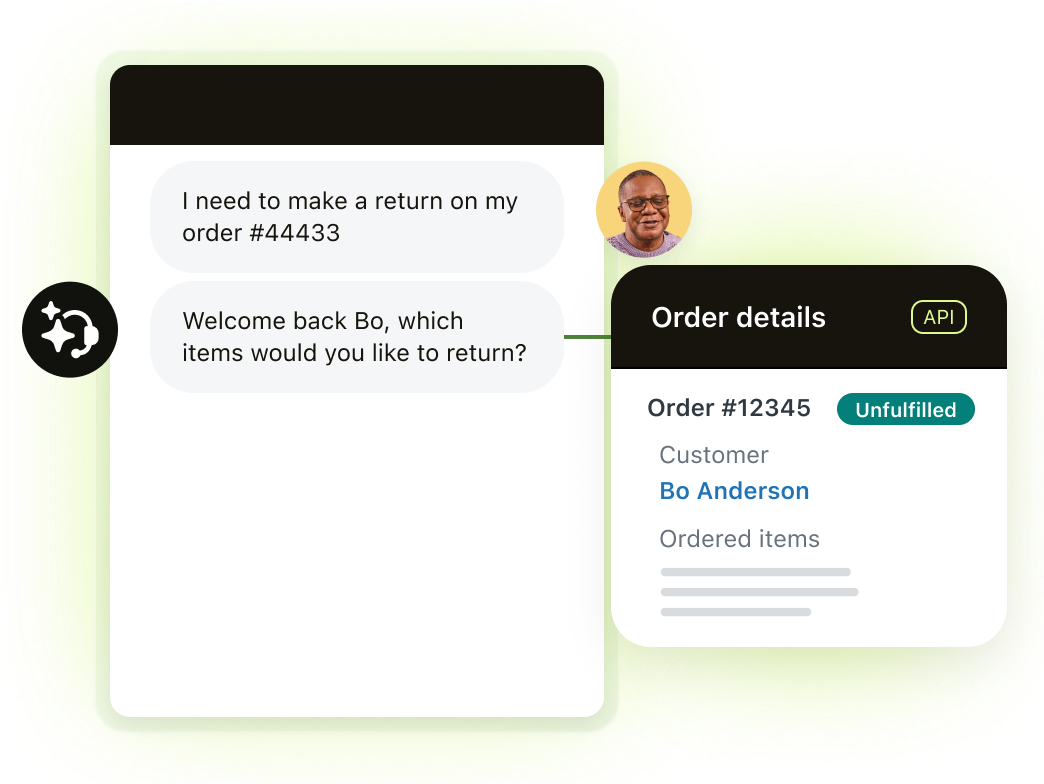
Provide the most trusted, secure CX with advanced data privacy and protection from Zendesk. |
Pricing plans: Decagon vs. Zendesk
|
Zendesk |
Decagon |
|
Custom quote available upon request. |
|
*Plans are billed annually. |
Zendesk offers flexible plans to support your business at any stage, so you can start fast and scale as you grow. While it may seem more expensive than Decagon upfront, you’re paying for a complete CX solution: help desk, knowledge base, and workflow automation—all deeply integrated with AI. And with AI agents, you only pay for resolutions, not for unresolved issues. That way, you’re only paying for success.
To even match the capabilities of the Zendesk Support plan, you’ll need to integrate Decagon with multiple third-party tools. That means more vendors, more integration complexity, and more operational costs, all of which drive up your total cost of ownership.
Plus, Decagon lacks transparent pricing, which means additional (often unpredictable) fees for custom development and integrations.
The long-term results of comparing Zendesk vs. Decagon are clear. With Zendesk, you know exactly what you're getting, and you can expect an ROI of up to 301 percent over three years.
Why customers love Zendesk
Over 200,000 businesses trust Zendesk to power their support ops. Read what some of them have to say.
Propelus + Zendesk: Advancing automations in customer support
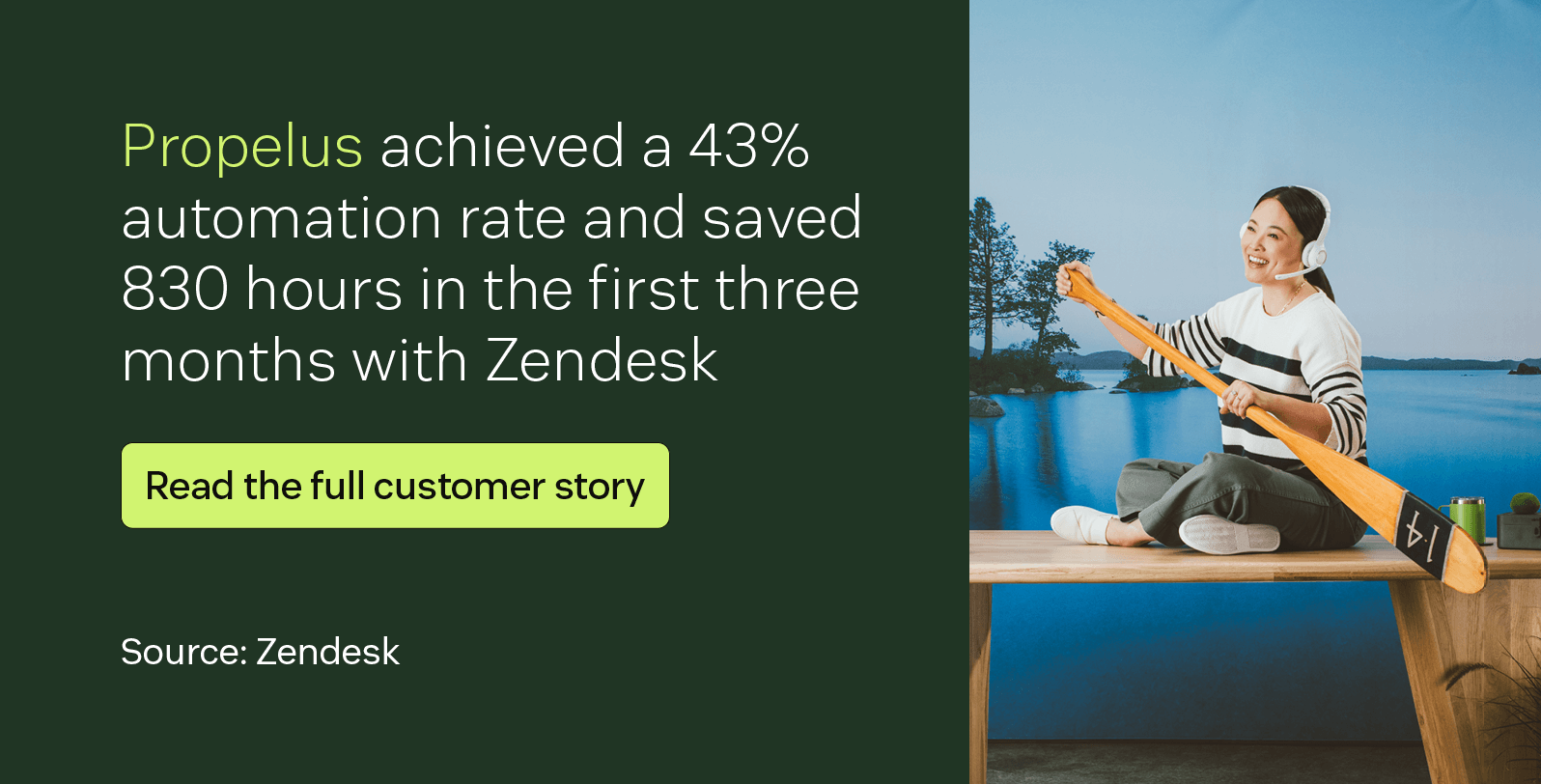
“With AI agents, we’ve saved 2,480 hours of work, which is equivalent to 14 months’ of full-time work."
— MEG SMITH, Senior director of customer support at Propelus
Playtomic + Zendesk: Meeting demand with AI-assisted support
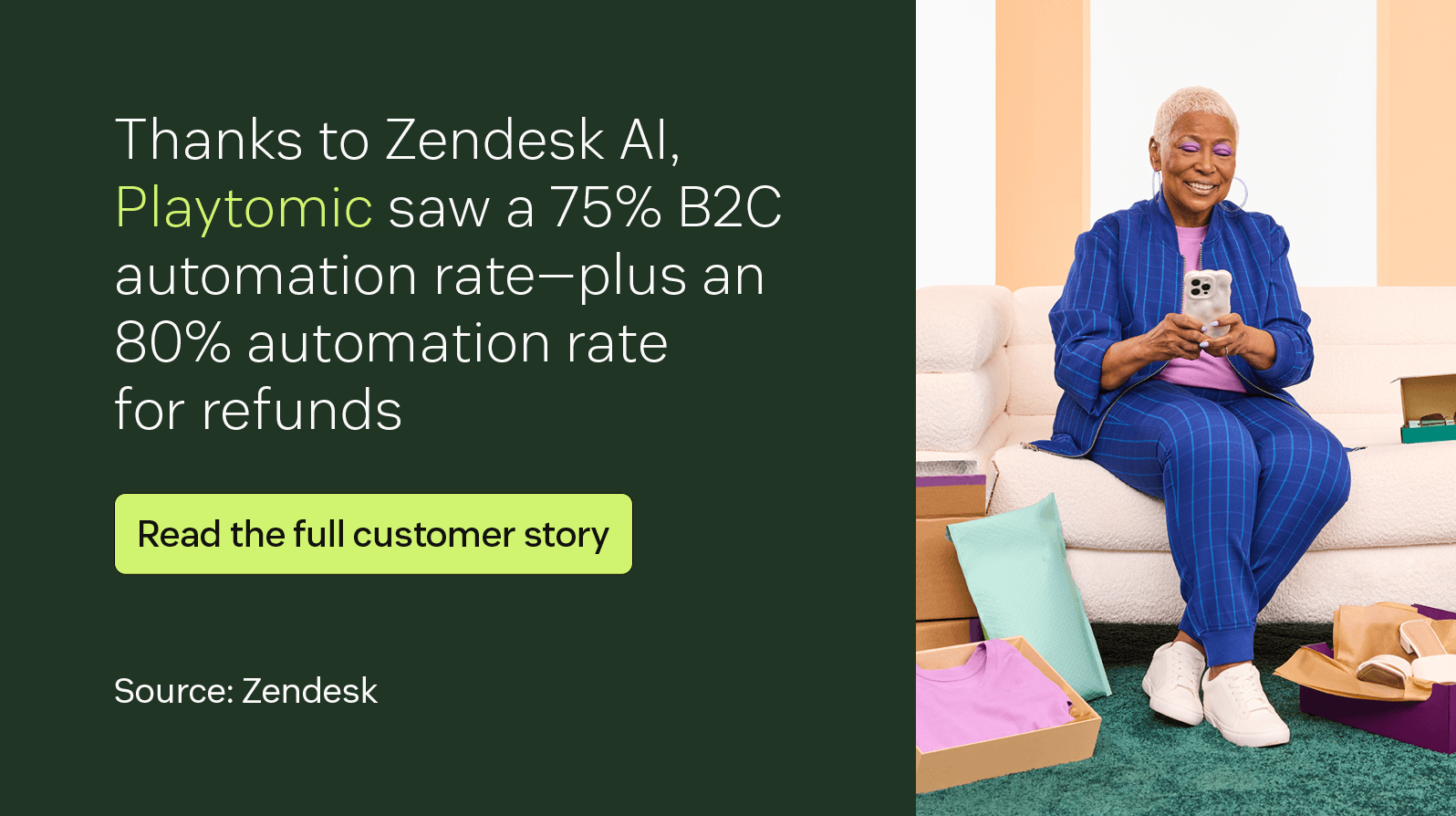
“We are using AI not only to prevent tickets, but also as a copilot for our agents, helping them write faster and better messages with support from generative AI.”
— GUILO CASTIGLIONI, Director of customer care at Playtomic
Phonero + Zendesk: Accelerating self-service with no-code AI agents
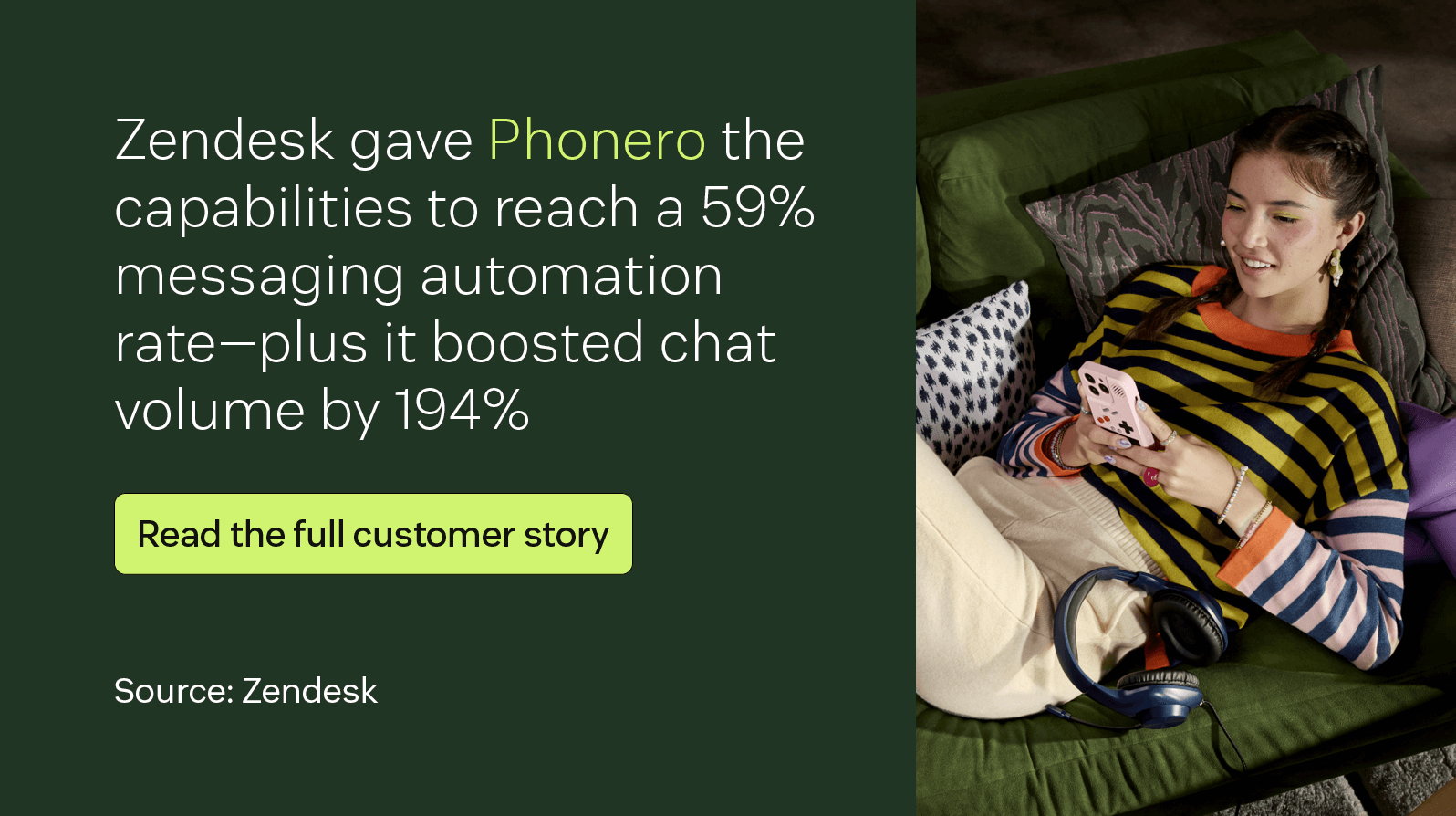
“Zero training makes it much easier to implement new intents for unique or uncommon questions without needing extensive training data.”
—HARIS SEGETALO, Senior AI trainer at Phonero
Frequently asked questions
See how Zendesk can work for you
Both Decagon and Zendesk offer AI agents—but Zendesk goes further. Its AI agents are built to work natively across workflows, channels, and agent tools, ensuring unified support and lower TCO. Try Zendesk today, and get started modernizing your support ops.
Zendesk vs. the rest: Compare the software
Check out our comparison guides to see how Zendesk stands out from other CX solutions.